
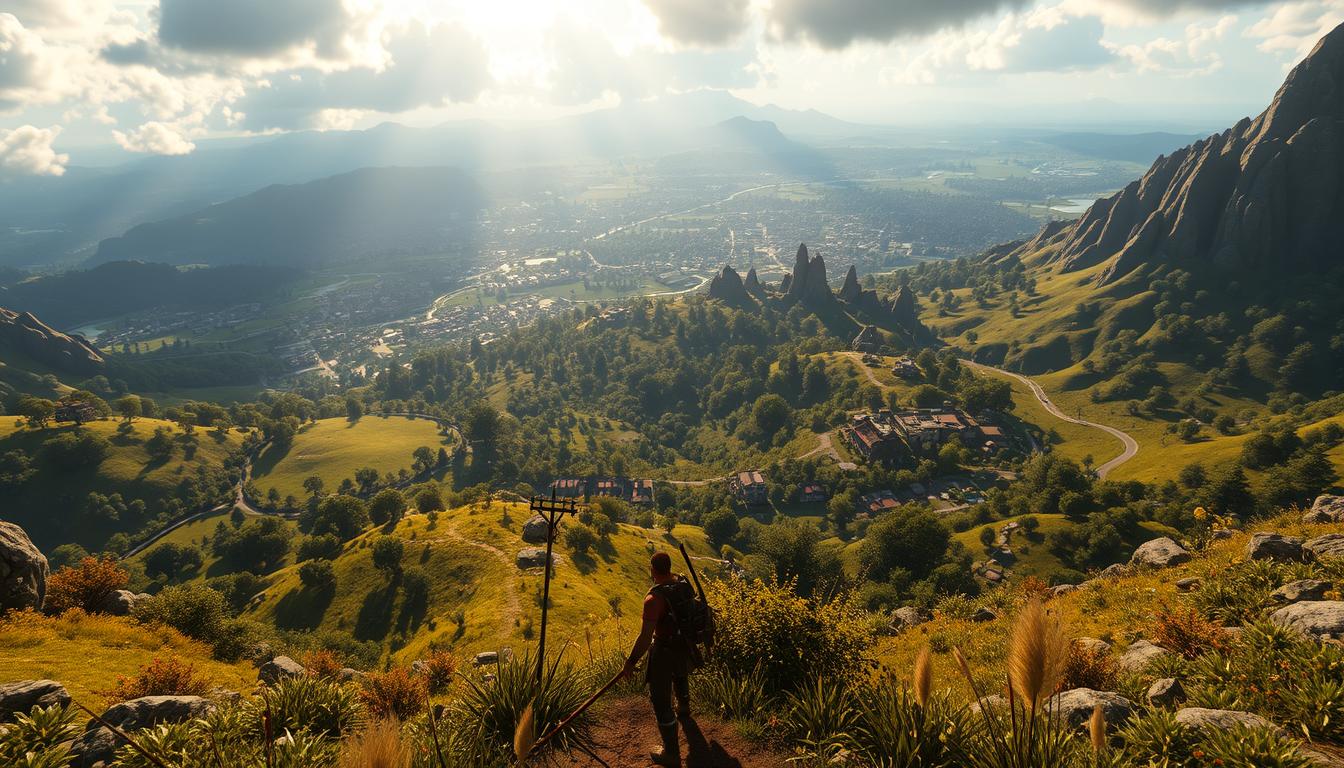
Explore the Best Open Worlds Games
The world of gaming has witnessed a significant shift towards open world designs, offering players the freedom to explore vast virtual landscapes.
From sprawling cities to fantasy realms and post-apocalyptic wastelands, these immersive environments allow players to forge their own paths, creating a unique gaming experience.
The evolution of game design has transformed the way we experience games, moving from linear narratives to vast sandboxes filled with activities and stories.
Key Takeaways
- The rise of open world games has revolutionized the gaming industry.
- Players can now explore vast virtual environments and create their own stories.
- The best open world games offer immersive experiences and unprecedented freedom.
- Open world design has transformed the gaming landscape.
- Innovative titles continue to push the boundaries of what’s possible.
The Evolution of Open World Gaming
The evolution of open-world gaming is a story of innovation and technological advancement. Open-world games have transformed significantly over the years, from simple text-based adventures to complex, visually stunning worlds that players can explore freely.
Early Pioneers of the Genre
The concept of open-world gaming dates back to the early days of video games. Titles like Jet Rocket (1970) and dnd (1975) introduced elements of free-roaming gameplay. Early text adventures, such as Colossal Cave Adventure (1976), allowed players to explore non-linear environments, while Elite (1984) pioneered the open-world sandbox style that influenced many subsequent games.
The 1980s saw significant advancements with the release of Ultima (1981), which featured an overworld map inspired by Dungeons & Dragons, and The Legend of Zelda (1986), a game that revolutionized exploration-based gameplay. As «The Legend of Zelda» series demonstrated, open-world design can create immersive experiences that captivate players.
The 3D Revolution
The transition to 3D graphics in the 1990s marked a significant turning point in the evolution of open-world game design. Super Mario 64 (1996) was a landmark title that introduced open-ended free-roaming worlds with analog stick controls and camera control, setting a new standard for 3D platformers.
Grand Theft Auto III (2001) represented a watershed moment, combining elements from previous games into an immersive 3D experience that defined open-world games for a new generation. The evolution of game design and technology has continually expanded what’s possible in open worlds, from small explorable areas to entire virtual countries and even procedurally generated universes, as seen in modern gaming.
What Makes a Great Open World Game?
The essence of a great open-world game lies in its ability to balance freedom and structure. While the openness of the game world is an important facet, the main draw of open-world games is about providing the player with autonomy—the ability to choose how to approach the game and its challenges in the order and manner as the player desires.
A major design challenge is to balance the freedom of an open world with the structure of a dramatic storyline. Since players may perform actions that the game designer did not expect, the game’s writers must find creative ways to impose a storyline on the player without interfering with their freedom.
Freedom of Exploration
Freedom of exploration is fundamental to a great open-world game. Players should feel empowered to venture off the beaten path and discover hidden treasures, secret locations, and unexpected encounters that reward curiosity. This sense of discovery is a key element that keeps players engaged and invested in the game world.
Meaningful Content and Activities
Meaningful content and activities are crucial to ensure that exploration feels purposeful rather than empty. Side quests, collectibles, and challenges should enhance the world rather than serving as mere checkboxes. By providing a variety of engaging activities, game designers can create a more immersive experience that caters to different player preferences.
Living, Breathing Environments
Living, breathing environments are essential for creating immersion in an open-world game. Dynamic systems like day-night cycles, weather patterns, and NPC routines make the world feel alive even when the player isn’t actively engaging with it. The best open-world games create a sense of place through atmospheric design, distinctive regions, and environmental storytelling that tells tales without explicit narration.
Some key characteristics of great open-world games include:
- The perfect balance between freedom and structure, allowing players to explore at their own pace while still experiencing a compelling narrative.
- Meaningful content and activities that enhance the world and provide a sense of purpose.
- Living, breathing environments that create immersion through dynamic systems and atmospheric design.
- Player agency, allowing individuals to approach objectives in multiple ways and develop their character according to their preferred playstyle.
By incorporating these elements, game designers can create an open-world game that is both engaging and immersive, providing players with a rich and personalized experience. The key is to strike a balance between giving players the freedom to explore and providing a structured narrative that guides them through the game world.
Open Worlds Games: The Classics That Defined the Genre
The history of open-world games is rich with influential classics that continue to inspire game developers. These pioneering titles not only revolutionized the gaming industry but also set the foundation for the modern open-world games we enjoy today.
The Legend of Zelda (1986)
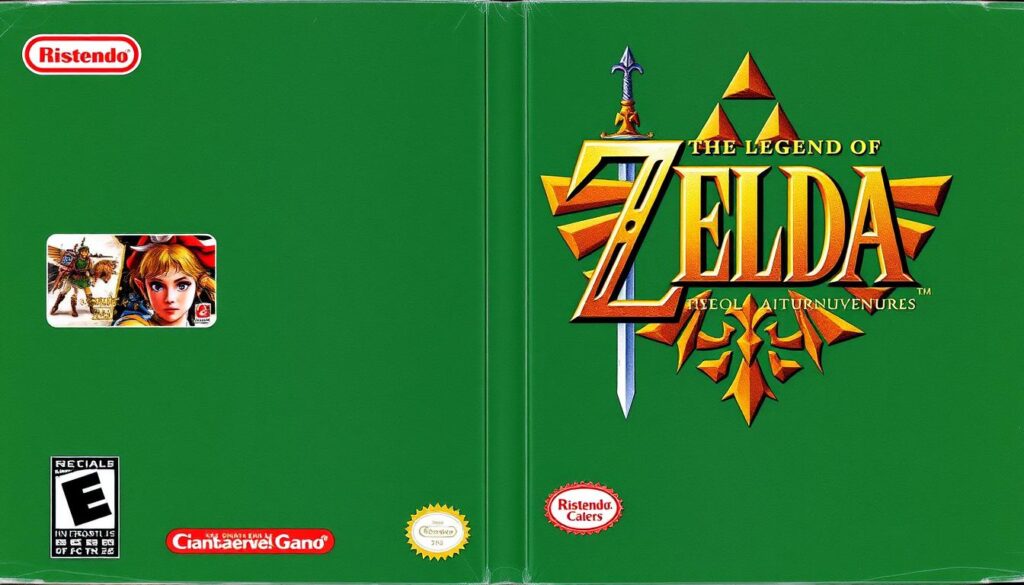
The Legend of Zelda, released in 1986, was a groundbreaking game that offered players an expansive and cohesive world to explore freely. This non-linear progression and emphasis on discovery established the foundation for open-world design. The game’s innovative approach encouraged players to venture into every corner of Hyrule, with hidden caves, secret passages, and puzzles that rewarded curiosity and experimentation.
Grand Theft Auto III (2001)
Grand Theft Auto III transformed the open-world concept by bringing it into a fully realized 3D urban environment. Players had unprecedented freedom to explore Liberty City and approach missions in various ways. The game’s seamless blend of driving, shooting, and exploration created a new template for open-world design that countless games would follow.

The Elder Scrolls III: Morrowind (2002)
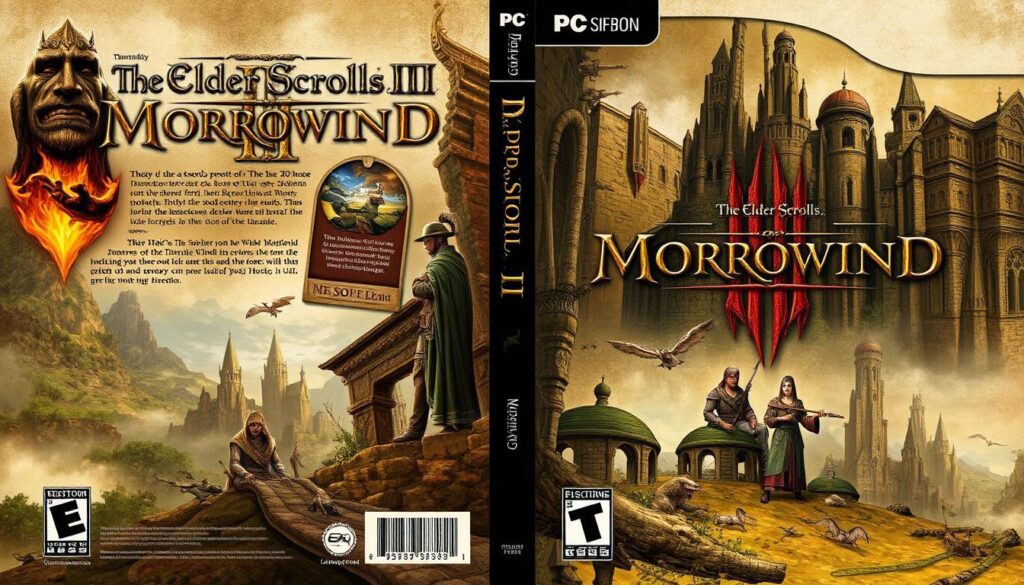
The Elder Scrolls III: Morrowind expanded the scope of open-world RPGs with its vast fantasy landscape, deep lore, and complex systems. Players could forge their own path through the world of Vvardenfell, enjoying a rich gaming experience. The game’s depth and complexity set a new standard for open-world RPGs, influencing many subsequent titles.
These classic games have had a lasting impact on the gaming industry, establishing core principles that continue to influence game design today. From environmental storytelling and player-driven exploration to the balance between structured narrative and freeform gameplay, their legacy can be seen in many modern open-world games.
Modern Masterpieces of Open World Design
Modern open-world games have reached new heights of sophistication, offering players unparalleled freedom and depth. The latest titles in this genre have not only expanded the scope of what’s possible in game design but have also raised the bar for immersion, storytelling, and player engagement.
The Witcher 3: Wild Hunt
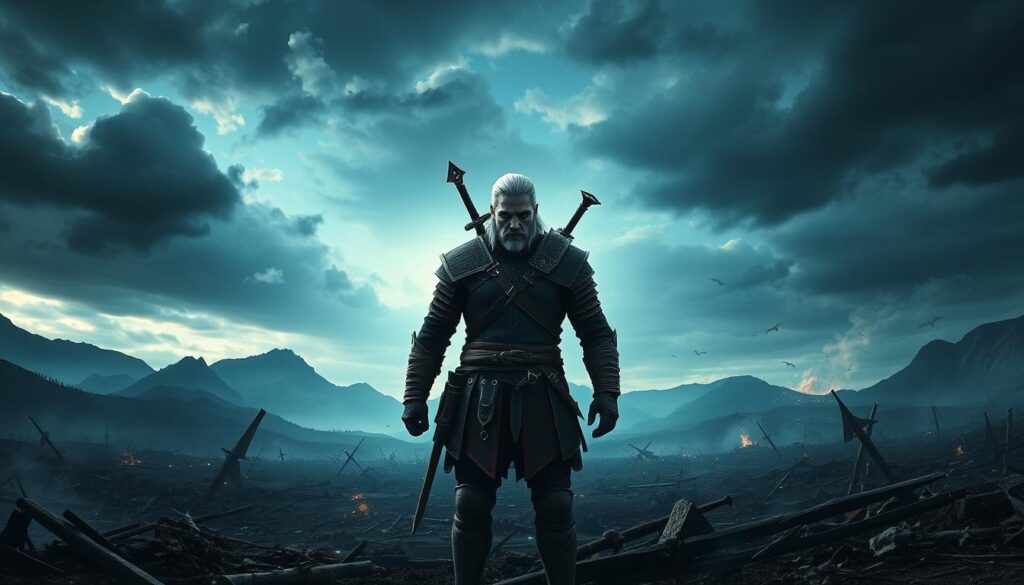
The Witcher 3: Wild Hunt represents one of the pinnacles of modern open-world design, with meticulously crafted environments that feel authentic and lived-in, from the war-torn fields of Velen to the bustling streets of Novigrad. CD Projekt Red’s masterpiece stands out for its narrative depth, with quests that feel meaningful and consequential, avoiding the typical open-world trap of repetitive fetch quests in favor of morally complex storylines.
Red Dead Redemption 2
Red Dead Redemption 2 pushed the boundaries of open-world immersion with its incredibly detailed simulation of the American frontier, featuring dynamic ecosystems, realistic weather patterns, and NPCs with complex daily routines. Rockstar’s attention to detail extends to every aspect of the game world, from mud that accumulates on Arthur’s clothes during rainstorms to realistic animal behavior and interactions that make the world feel genuinely alive.

Elden Ring
Elden Ring revolutionized the Souls formula by transplanting its challenging combat and mysterious storytelling into an open world that encourages exploration without compromising on difficulty or atmosphere. FromSoftware’s approach to open-world design emphasizes discovery and wonder, with a world filled with secrets that players can uncover at their own pace, creating a sense of genuine adventure rarely found in modern games.
Sandbox vs. Open World: Understanding the Difference
The terms ‘sandbox’ and ‘open world’ are often used interchangeably, but they represent distinct concepts in game design. Open world refers to the freedom of exploration within a game’s environment, allowing players to roam with minimal restrictions. On the other hand, sandbox games focus on providing players with creative tools and systems to experiment and approach objectives in multiple ways.
Sandbox Elements in Game Design
Sandbox elements in game design emphasize player agency, offering tools and mechanics that allow for creative freedom. Games like Minecraft exemplify this concept, providing players with the ability to build and create within an expansive world. The presence of sandbox elements encourages experimentation and diverse gameplay experiences.
- Provide players with creative tools and systems.
- Encourage experimentation and multiple approaches to objectives.
- Emphasize player agency in interacting with game mechanics.
When Open Worlds Meet Sandbox Mechanics
When open worlds and sandbox mechanics combine, they can create emergent gameplay – complex interactions that arise naturally from the game’s systems. This blend can lead to memorable gaming moments, as players discover creative solutions or experience unique situations not explicitly designed by the developers. The synergy between open-world exploration and sandbox creativity enriches the gaming experience, offering a rich and dynamic environment for players to engage with.
Urban Open Worlds: Cities That Come Alive
Urban settings in open-world games are not just backdrops; they’re living, breathing entities that captivate players with their intricate details and dynamic environments. The urban open world is a fascinating realm, offering dense, vibrant landscapes that simulate the complexity of real-life cities.
Grand Theft Auto V
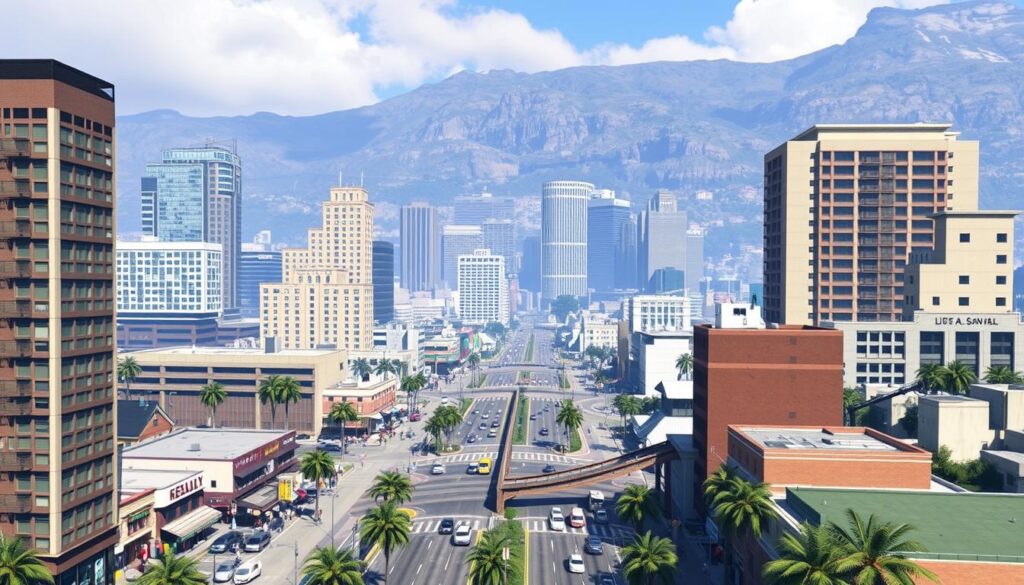
Grand Theft Auto V’s Los Santos is a masterpiece of urban recreation, capturing the essence of Los Angeles with its satirical take on the city’s glamour and grit. The game’s attention to detail and simulated city life make it one of the most immersive open world experiences.
Marvel’s Spider-Man 2

Marvel’s Spider-Man 2 transforms New York City into a superhero playground, utilizing vertical traversal to reimagine urban exploration. The game’s recreation of NYC balances accuracy with gameplay, making it a thrilling open world adventure.
Cyberpunk 2077
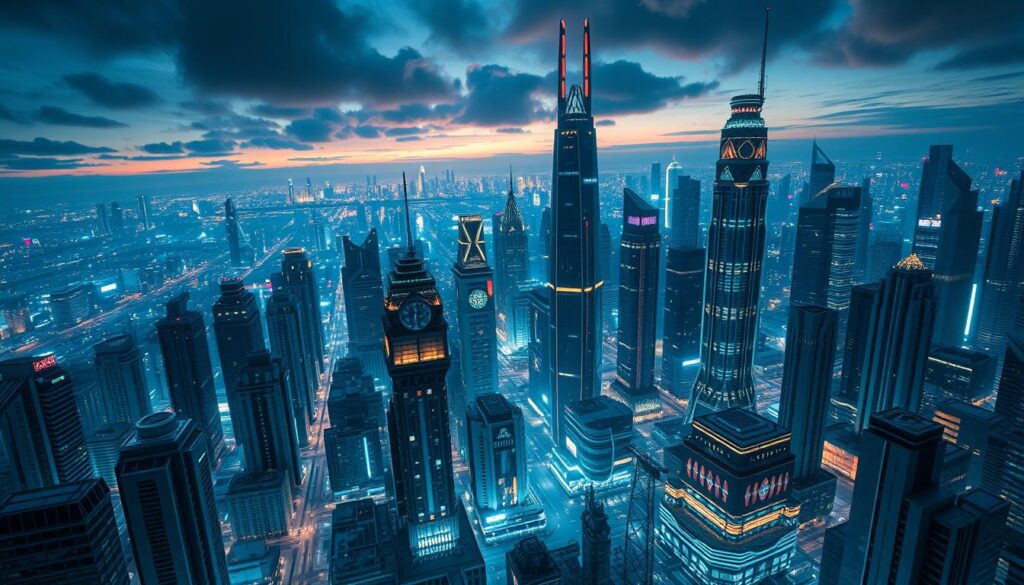
Cyberpunk 2077’s Night City is a dense, futuristic metropolis that emphasizes the claustrophobic nature of urban living. The game’s world is rich with detail, from its towering megabuildings to its crowded streets, creating a truly immersive experience.
These urban worlds succeed by creating a sense of life and activity independent of the player. Pedestrians, traffic patterns, and ambient events make the cities feel like living entities rather than mere backdrops, enhancing the overall gaming experience.
Historical Settings in Open World Games
Historical settings in open-world games offer a unique blend of education and entertainment, allowing players to explore recreations of past eras with a freedom impossible in traditional historical media. The use of historical settings provides a rich backdrop for open-world exploration, offering players both entertainment and insight into different periods of human history.
Assassin’s Creed Series
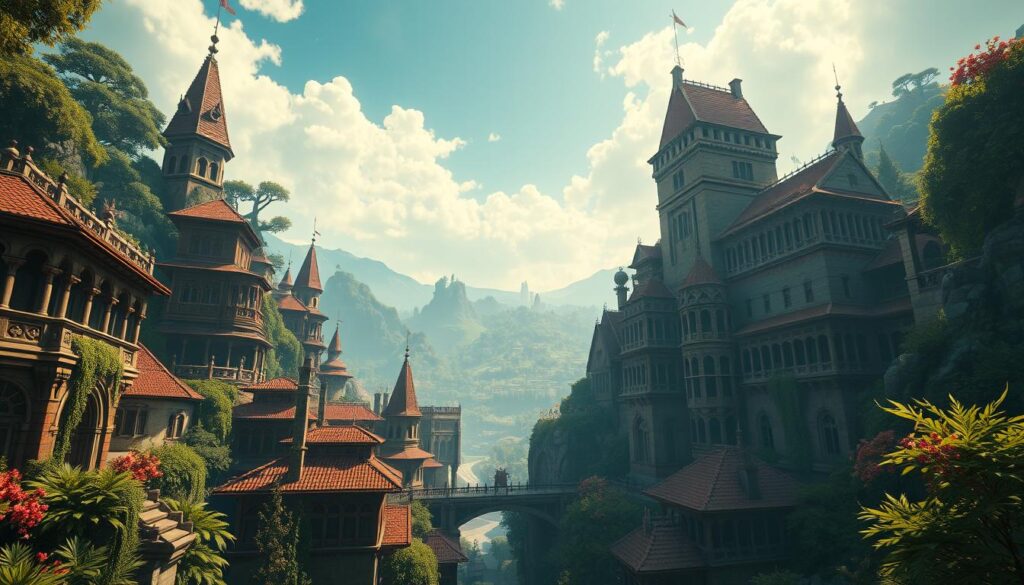
The Assassin’s Creed series has become synonymous with historical open-world games, taking players on a journey through time from Ancient Egypt and Greece to Renaissance Italy and Revolutionary America. Ubisoft’s meticulous research and attention to architectural detail create historically accurate environments that serve both as educational tools and compelling gameplay spaces. Recent entries even include «Discovery Tour» modes that focus purely on historical learning.
Ghost of Tsushima
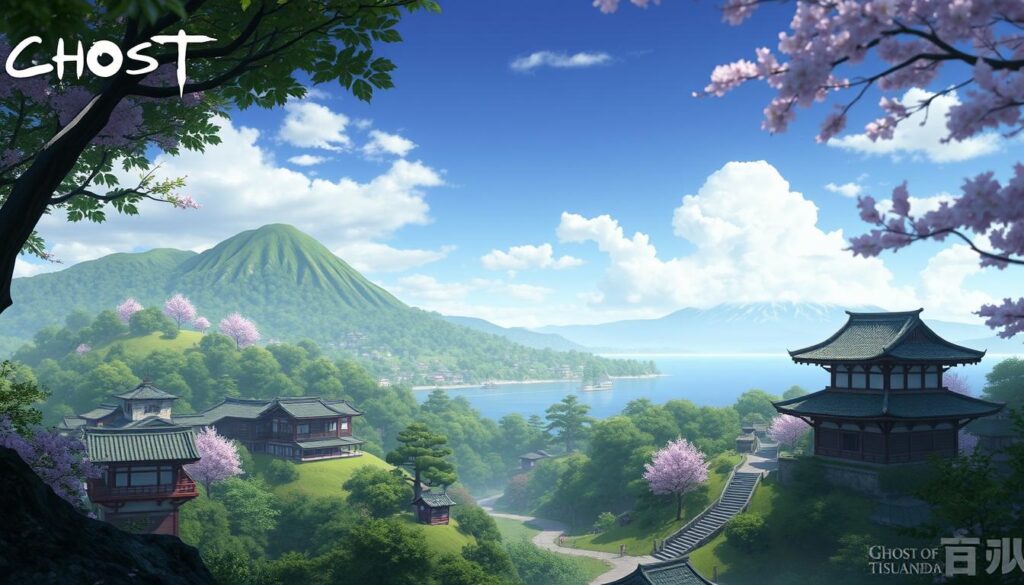
Ghost of Tsushima transports players to 13th century feudal Japan during the Mongol invasion, creating a visually stunning world that captures the natural beauty of Tsushima Island alongside the brutality of war. The game’s approach to historical setting emphasizes atmosphere and cultural authenticity over strict historical accuracy, creating an experience that feels like playing through a Kurosawa samurai film.
Kingdom Come: Deliverance
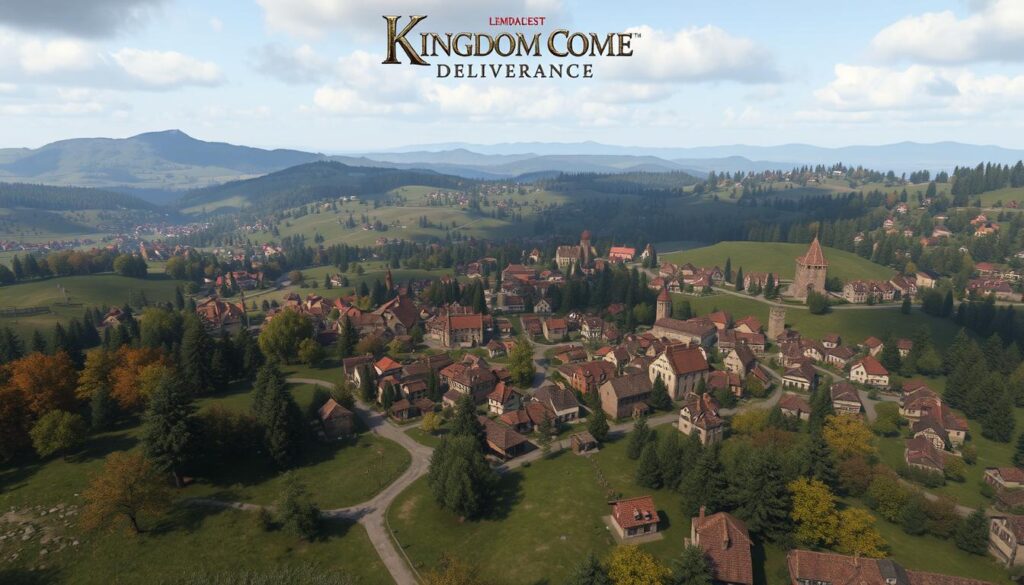
Kingdom Come: Deliverance takes a different approach to historical open-world games, emphasizing realism and historical accuracy in its recreation of 15th century Bohemia. The game includes systems for hunger, fatigue, and combat that aim to simulate medieval life, providing a gritty and realistic experience.
These games demonstrate how historical settings can provide rich backdrops for open-world exploration, offering players both entertainment and insight into different periods of human history. By blending education with entertainment, historical open-world games create a unique and engaging experience.
Fantasy Realms: Magical Open Worlds
The allure of fantasy realms in gaming lies in their ability to transport players to new, imaginative worlds, filled with magic, mythical creatures, and legendary quests. These environments offer developers the freedom to create unique settings that are limited only by their imagination.
The Elder Scrolls V: Skyrim
The Elder Scrolls V: Skyrim remains one of the most influential fantasy open worlds, with its vast Nordic-inspired landscape filled with ancient ruins, bustling cities, and dangerous wilderness. Skyrim’s enduring popularity stems from its incredible flexibility, allowing players to forge their own path as warriors, mages, thieves, or a combination of various playstyles.
The game’s world is alive with characters and beasts going about their daily business, creating a rich and immersive experience. The modding community continues to expand Skyrim’s possibilities, offering countless hours of additional gameplay.
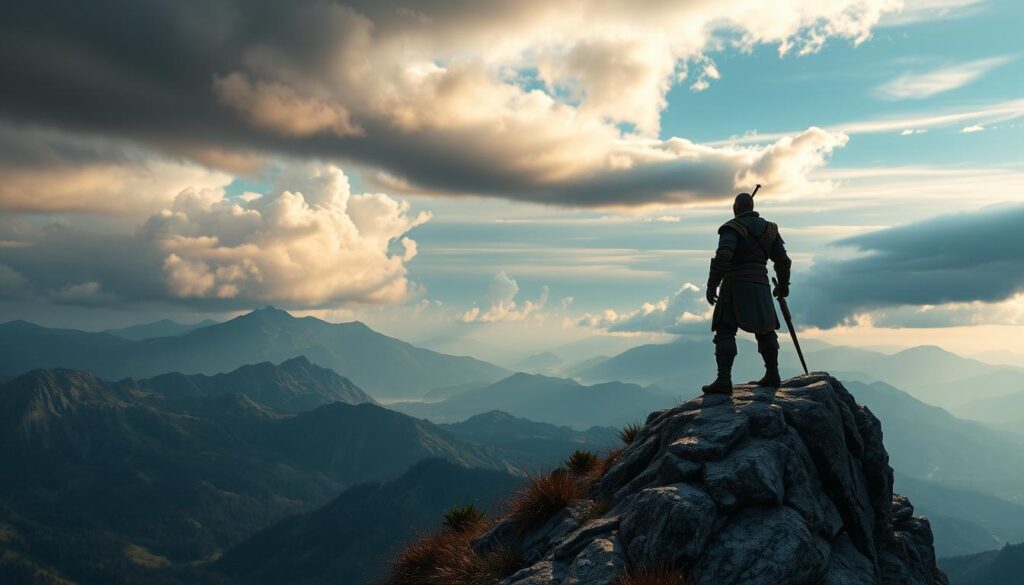
Dragon’s Dogma 2
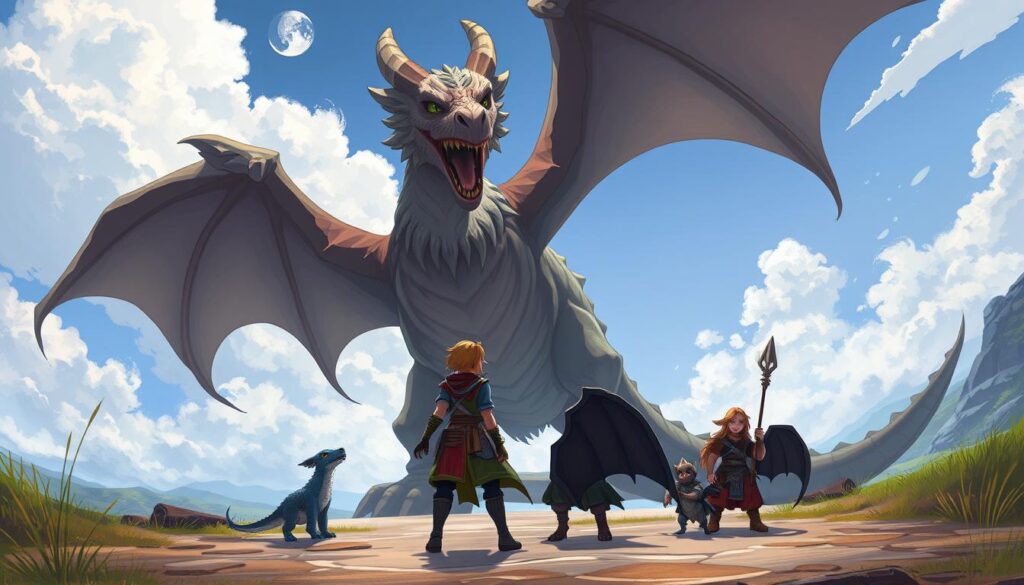
Dragon’s Dogma 2 builds on its predecessor’s unique approach to fantasy open worlds, combining Western medieval aesthetics with Japanese RPG sensibilities. The game features distinctive systems like the Pawn companions that assist players on their journey, offering a dynamic and engaging experience.
The game’s emphasis on exploration and combat encounters makes for a thrilling adventure, with discoveries that feel genuinely rewarding. Players are encouraged to venture off the beaten path, exploring a world that is full of surprises.
Hogwarts Legacy
Hogwarts Legacy brings the beloved Wizarding World to life as an open-world experience, allowing players to explore the iconic school of witchcraft and wizardry along with the surrounding Scottish Highlands. Players can create their own student and embark on a journey through the magical world introduced in the Harry Potter books and movies.
The game offers a rich narrative and engaging gameplay, with a focus on exploration and mastering magical abilities. The open-world setting allows for a high degree of freedom, making the experience feel fresh and exciting.
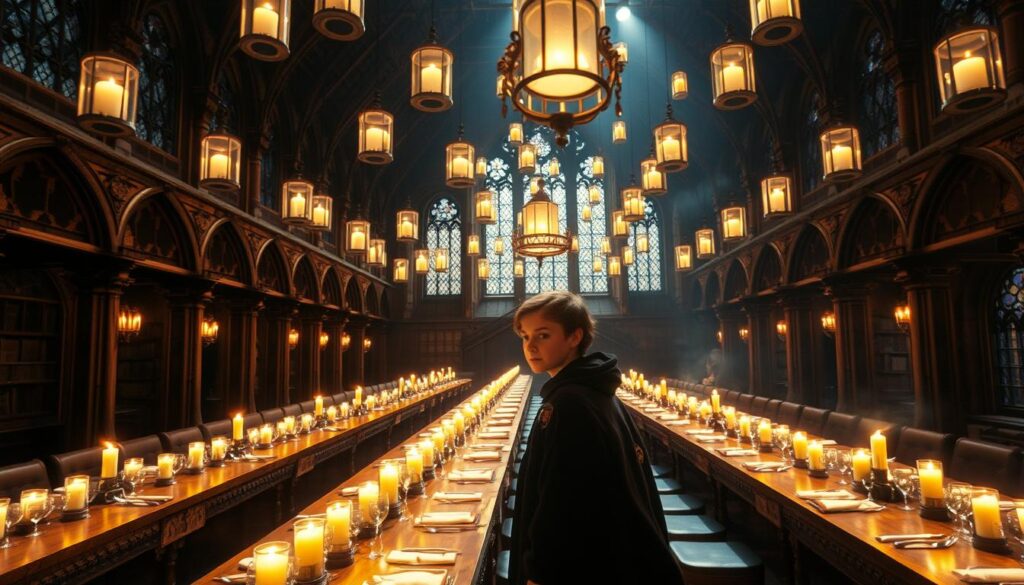
Fantasy realms like those in Skyrim, Dragon’s Dogma 2, and Hogwarts Legacy demonstrate the power of magical settings in creating compelling open-world experiences. These games showcase the potential of fantasy worlds to captivate players and inspire their imaginations.
Post-Apocalyptic Open Worlds
The devastation of a post-apocalyptic world provides a rich backdrop for some of the most immersive open-world gaming experiences. These environments captivate players by offering a glimpse into possible futures shaped by catastrophic events.
Post-apocalyptic settings provide a compelling backdrop for open-world games, offering familiar yet transformed landscapes where players can explore the remnants of civilization and imagine alternative futures.
Fallout 4
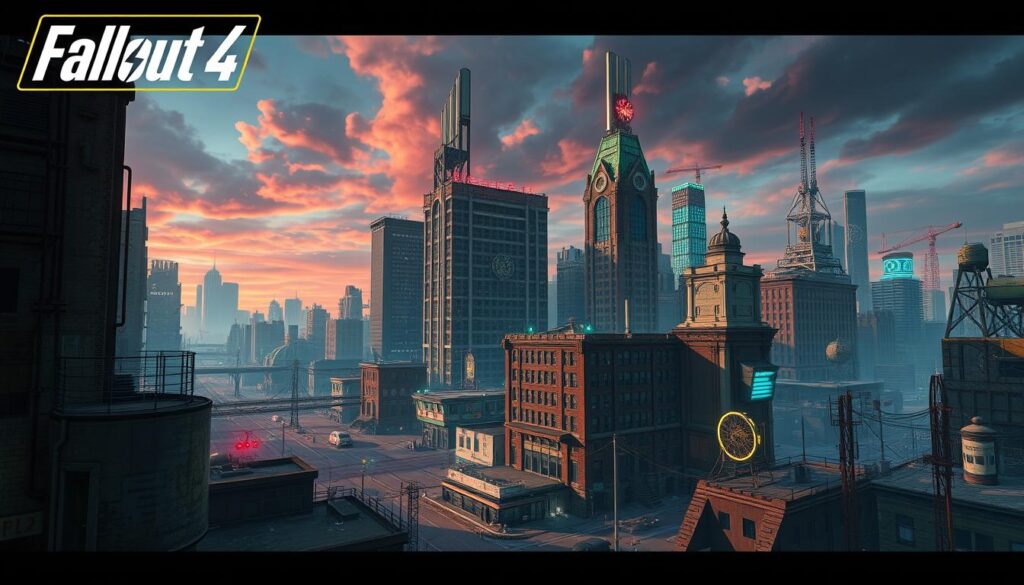
Fallout 4 continues Bethesda’s tradition of creating detailed post-nuclear wastelands, transforming Boston and its surroundings into a retro-futuristic playground where danger and discovery lurk around every corner. The game’s strength lies in its environmental storytelling, with abandoned buildings, makeshift settlements, and scattered notes telling the tales of those who lived through the nuclear apocalypse and its aftermath.
Fallout 4’s settlement building system adds another dimension to its open world, allowing players to rebuild civilization according to their own vision and create communities throughout the Commonwealth.
Horizon Forbidden West
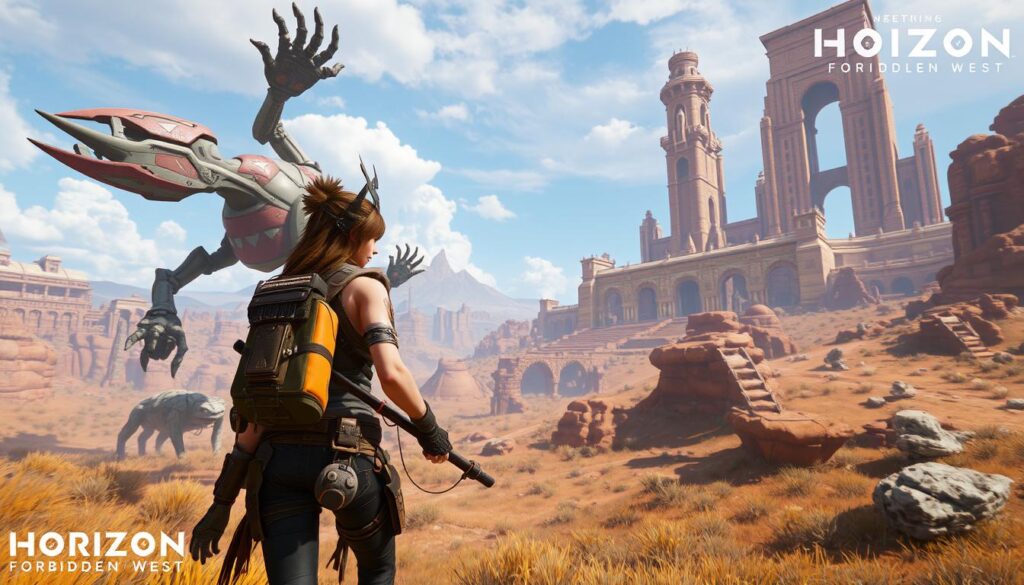
Horizon Forbidden West takes a different approach to post-apocalyptic open worlds, setting players in a far future where nature has reclaimed the Earth and mechanical beasts roam landscapes dotted with the mysterious ruins of the «Old Ones.» The game’s stunning visual design creates a unique post-apocalyptic aesthetic that balances natural beauty with technological remnants, making exploration consistently rewarding through both gameplay and visual discovery.
These post-apocalyptic open worlds appeal to our fascination with how civilization might end and what might follow, creating sandboxes where players can both uncover the past and shape the future.
Procedurally Generated Open Worlds
The advent of procedural generation has revolutionized the landscape of open-world games, allowing developers to create vast, varied environments that would be impossible to craft entirely by hand. This technique has opened up new avenues for game design, enabling the creation of unique and diverse game worlds.
No Man’s Sky
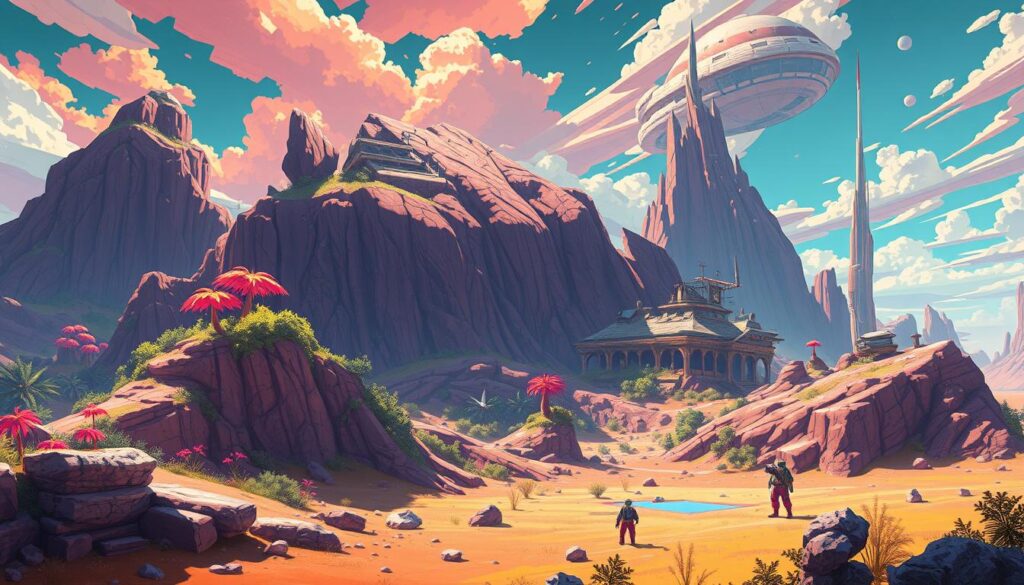
No Man’s Sky represents perhaps the most ambitious use of procedural generation in gaming history, creating an entire universe with over 18 quintillion planets, each with unique flora, fauna, and geographical features. The game’s procedural systems create not just planets but entire star systems, alien species, and ecosystems that players can discover, name, and share with others in a persistent online universe.
While the game’s launch in 2016 was controversial due to unmet expectations, Hello Games has transformed No Man’s Sky through years of free updates into one of gaming’s greatest comeback stories and a truly remarkable open-universe experience.
Minecraft
Minecraft takes a different approach to procedural generation, creating endless worlds built from distinctive cubic blocks that players can mine, craft, and build with to transform the landscape according to their vision. The genius of Minecraft’s open world lies in its simplicity and flexibility – the procedurally generated terrain serves as a canvas for player creativity, from simple survival shelters to massive architectural wonders.
The game’s procedurally generated worlds offer a unique experience with each playthrough, maintaining a consistent aesthetic and ruleset that appeals to a wide range of players.
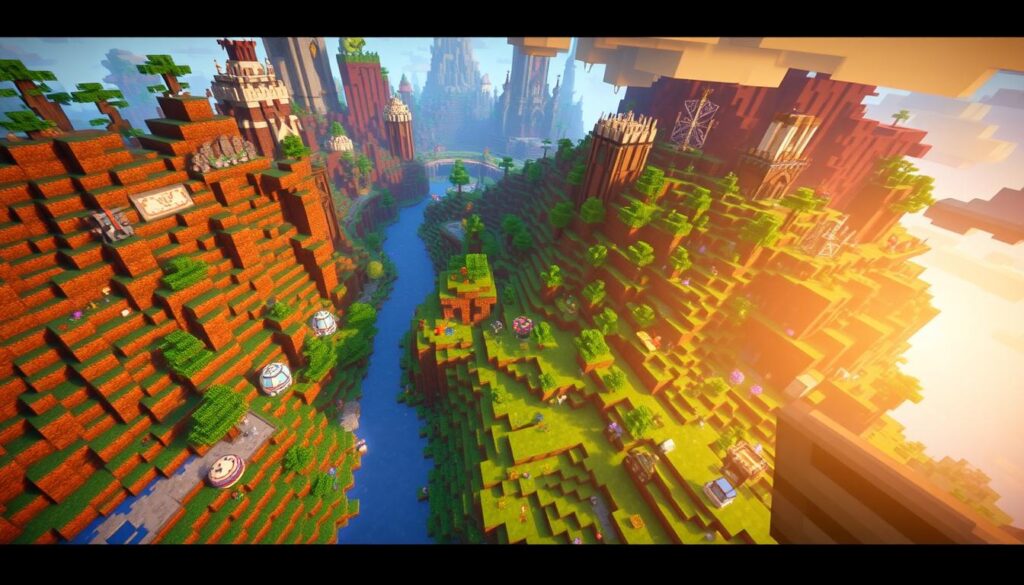
Both No Man’s Sky and Minecraft demonstrate how procedural generation can create open worlds that feel both vast and personal, offering experiences that change with each playthrough while still maintaining a consistent aesthetic and ruleset.
Innovative Mechanics in Open World Games
The world of open-world games is constantly evolving, with innovative mechanics that redefine the gaming experience. Truly innovative open-world games don’t just create beautiful environments but introduce new mechanics that fundamentally change how players interact with those worlds.
Revolutionizing Open-World Design: Breath of the Wild’s Physics Engine
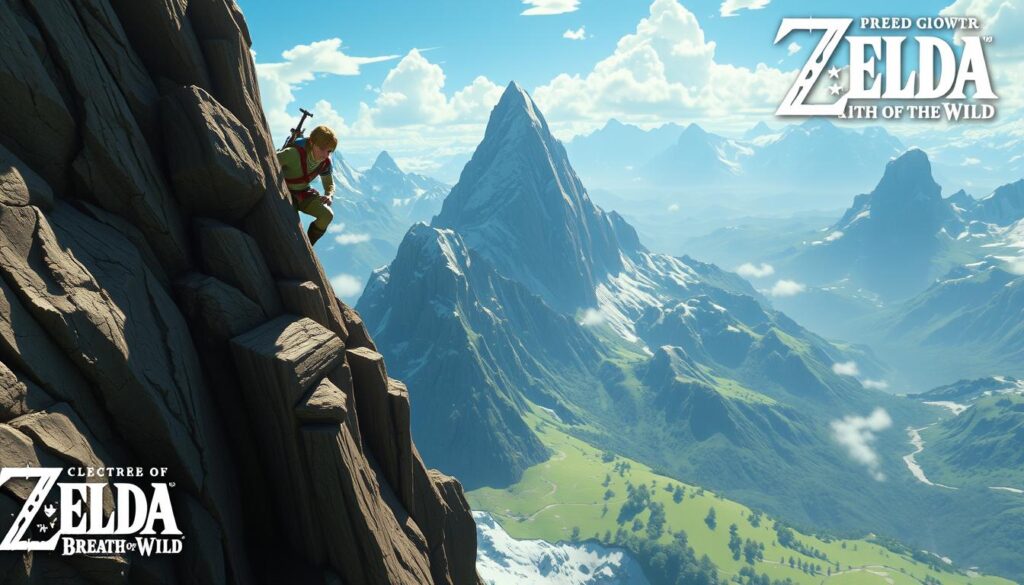
The Legend of Zelda: Breath of the Wild revolutionized open-world design with its physics engine, creating a world where nearly every object can be manipulated according to consistent physical rules. This system allows for emergent gameplay where players can solve problems in countless creative ways, from using metal objects during thunderstorms to conduct electricity to creating makeshift rafts or catapults with the game’s objects.
Breath of the Wild‘s climbing system further transformed open-world exploration by making virtually every surface climbable (weather and stamina permitting), eliminating the artificial barriers common in other open-world games.
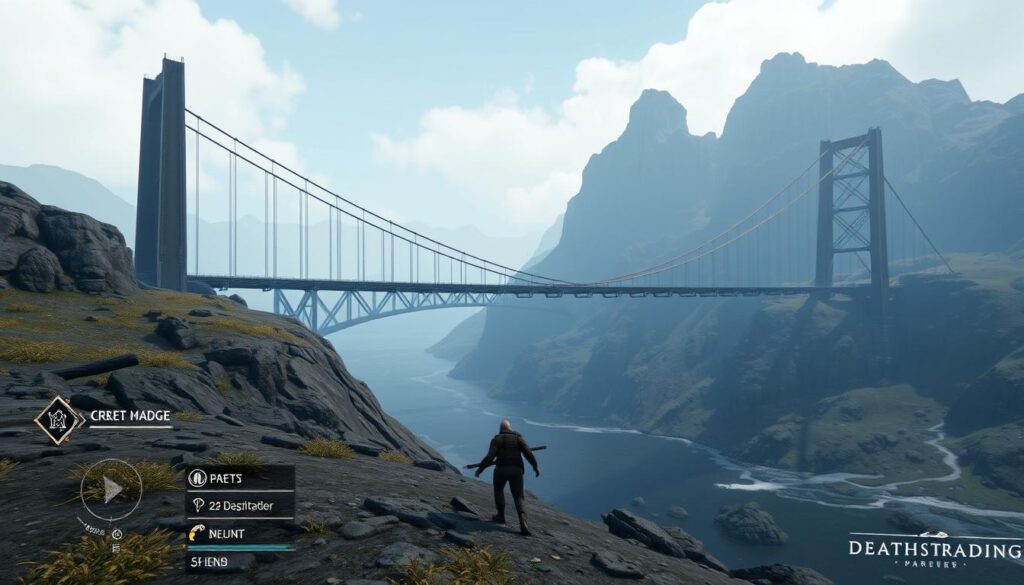
Death Stranding’s Social Strand System: A New Era of Asynchronous Multiplayer
Death Stranding introduced the «Social Strand System,» a unique asynchronous multiplayer mechanic where players can build structures that appear in other players’ worlds, creating a collaborative approach to traversing its harsh landscape. This innovative system turns the typically solitary open-world experience into something communal, where players never directly meet but can assist each other by building bridges, shelters, and other structures that persist across game instances.
The Social Strand System in Death Stranding is a prime example of how innovation in open-world games often comes not from bigger maps or more activities, but from new systems that fundamentally change how players perceive and interact with the game world.
Open World RPGs: Blending Story and Exploration
RPGs have evolved, incorporating open-world elements that provide players with both engaging stories and vast environments to explore. This blend of narrative depth and exploration freedom has become a hallmark of modern RPGs, enhancing the overall gaming experience.
Two notable examples of this trend are Final Fantasy VII Rebirth and Monster Hunter Wilds, both of which offer unique takes on the open-world RPG genre.
Final Fantasy VII Rebirth
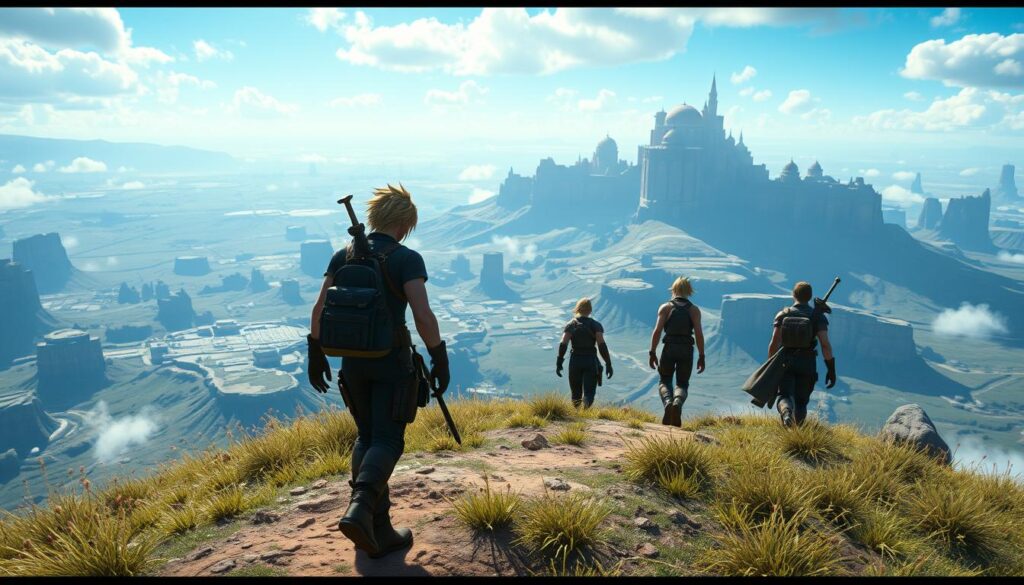
Final Fantasy VII Rebirth represents Square Enix’s ambitious approach to modernizing a beloved classic. The game expands the world beyond the confines of Midgar into a series of open regions filled with side activities, mini-games, and hidden lore. Players can combine characters’ strengths in battle to perform synergized attacks and summon colossal beings to aid in their fight.
The game’s narrative focus is balanced with open-world exploration, creating regions that feel distinct and purposeful. This approach demonstrates how traditionally linear JRPGs can successfully adopt open-world elements without sacrificing the story-driven experience fans expect.
Monster Hunter Wilds
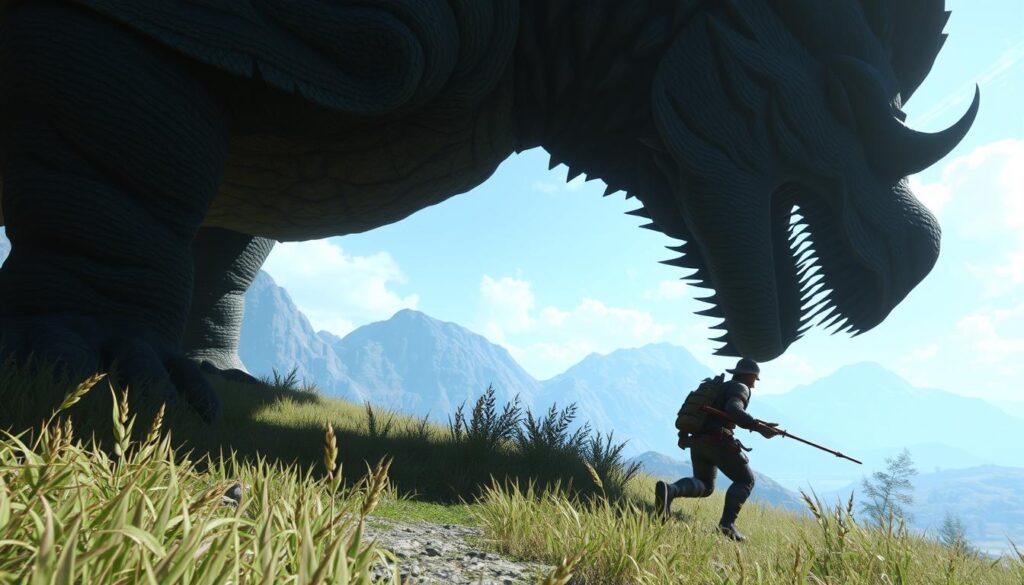
Monster Hunter Wilds evolves the series’ formula by embracing a true open-world structure. The game creates seamless environments where players can track and hunt massive creatures across diverse ecosystems. The open world serves the core gameplay loop perfectly, with environments designed as dynamic arenas where hunters and monsters engage in epic battles that reshape the terrain.
Players are tasked with protecting the balance of the ecosystem and tracking down monsters, using resources from hunts to craft powerful weapons and armor. This approach showcases how open worlds can enhance storytelling and character progression in RPGs, creating experiences that feel both vast and purposeful.
Both Final Fantasy VII Rebirth and Monster Hunter Wilds demonstrate the potential of open-world RPGs to deliver rich, immersive experiences that combine compelling narratives with the freedom to explore. These games represent a significant step forward in the evolution of the RPG genre.
The Future of Open World Gaming
The future of open-world gaming is poised to revolutionize the way we experience virtual environments. As technology continues to advance, we can expect even more immersive, dynamic, and responsive game worlds.
Technological Advancements
Technological advancements are a key driver in the evolution of open-world games. Improvements in processing power, storage, and rendering techniques will enable developers to create larger, more detailed worlds without sacrificing depth or interactivity. For instance, advancements in AI will lead to more believable NPC behavior, creating populations that respond organically to player actions.
- Enhanced processing power allows for more complex game mechanics.
- Advances in AI improve NPC behavior and interactions.
- Better rendering techniques result in more realistic environments.
Emerging Trends and Innovations
Emerging trends in open-world gaming point towards more specialized and interactive environments. Procedural generation techniques are expected to evolve, potentially creating worlds that adapt and evolve based on player behavior. Additionally, cross-platform persistence and shared worlds may become more prevalent, allowing players to impact open worlds across different devices and gaming sessions.
- Procedural generation creates unique experiences for players.
- Cross-platform play enhances player engagement across devices.
- Shared worlds allow for a more connected gaming community.
The challenge for future game design will be balancing technological possibilities with meaningful gameplay, ensuring that bigger and more detailed worlds still provide engaging experiences rather than empty spectacle.
What Makes These Open Worlds Games Worth Your Time
The most unforgettable open-world games are those that masterfully blend immersion, player agency, and meaningful content, creating experiences that captivate players for hours on end. Immersion is key to drawing players into the game’s world, making it feel alive and responsive.
Immersion and Player Agency
A world that feels coherent and believable is crucial for immersion. This is achieved through consistent rules, atmospheric design, and meticulous attention to detail. Player agency is equally important, as it allows players to approach challenges in their own way, making meaningful choices that impact both their character and the world around them.
For instance, games that offer a variety of gameplay mechanics and allow players to experiment with different approaches foster a deeper sense of engagement. The freedom to explore and interact with the environment in meaningful ways enhances the overall gaming experience.
Replayability and Content Depth
The best open-world games also excel in replayability and content depth. Replayability is often achieved through systems that generate unique experiences each time the game is played, such as randomized encounters or different character builds. Content depth, on the other hand, refers to the richness and layering of the game’s world, ensuring that players continue to discover new elements even after extensive playtime.
| Feature | Description | Benefit |
|---|---|---|
| Immersion | Coherent and believable game world | Enhanced player engagement |
| Player Agency | Freedom to approach challenges differently | Increased sense of control and satisfaction |
| Replayability | Unique experiences through randomized elements | High replay value |
| Content Depth | Rich and layered game world | Long-term player interest |
In conclusion, the most compelling open-world games are those that successfully combine immersion, player agency, replayability, and content depth, providing players with rich and engaging experiences that stand the test of time.
Conclusion
Open world games have revolutionized the gaming industry, offering players unprecedented freedom and immersion. The evolution of this genre reflects broader technological advancements in gaming, with each generation pushing boundaries in terms of scale, detail, and interactivity.
The open world genre has transformed from simple free-roaming environments into complex, living worlds that captivate players. What makes these worlds special isn’t just their size but the experiences they enable – the stories we create for ourselves as we explore, the unexpected moments of discovery, and the sense of place that the best virtual worlds evoke.
From fantasy realms to historical settings and post-apocalyptic landscapes, open world games transport us to places we could never visit in reality. The future of game development looks brighter than ever, with new technologies promising even more immersive and responsive environments that react to player choices in increasingly sophisticated ways.
Whether you prefer urban environments teeming with activity, vast natural landscapes to explore, or procedurally generated universes with endless possibilities, there’s an open world game that caters to your preferences. As we look forward to the next generation of games, one thing remains clear – the desire to explore, discover, and forge our own path through virtual worlds remains as compelling as ever, ensuring this genre will continue to thrive and evolve for years to come.
In conclusion, the game industry’s embrace of open world design has enriched the gaming experience, offering diverse and engaging games that appeal to a wide range of players.